Teras Village, Boyolali – Throughout July 2026, the KKN student team successfully designed and launched a priority program, a village digital literacy media platform named “Baca di Teras”, to facilitate access to information. Ease of access to information is key to efforts to improve community literacy in the technological era. In support of this vision, Fahmi Ahluddin, a student in the Thematic Community Service Program (KKN-T) from the Library and Information Science Program at Diponegoro University, initiated a program called “Creating the Pathfinder Flipbook” in Teras Village, Boyolali. This program was implemented as a strategic step to optimize digital-based information services for the people of Teras Village.
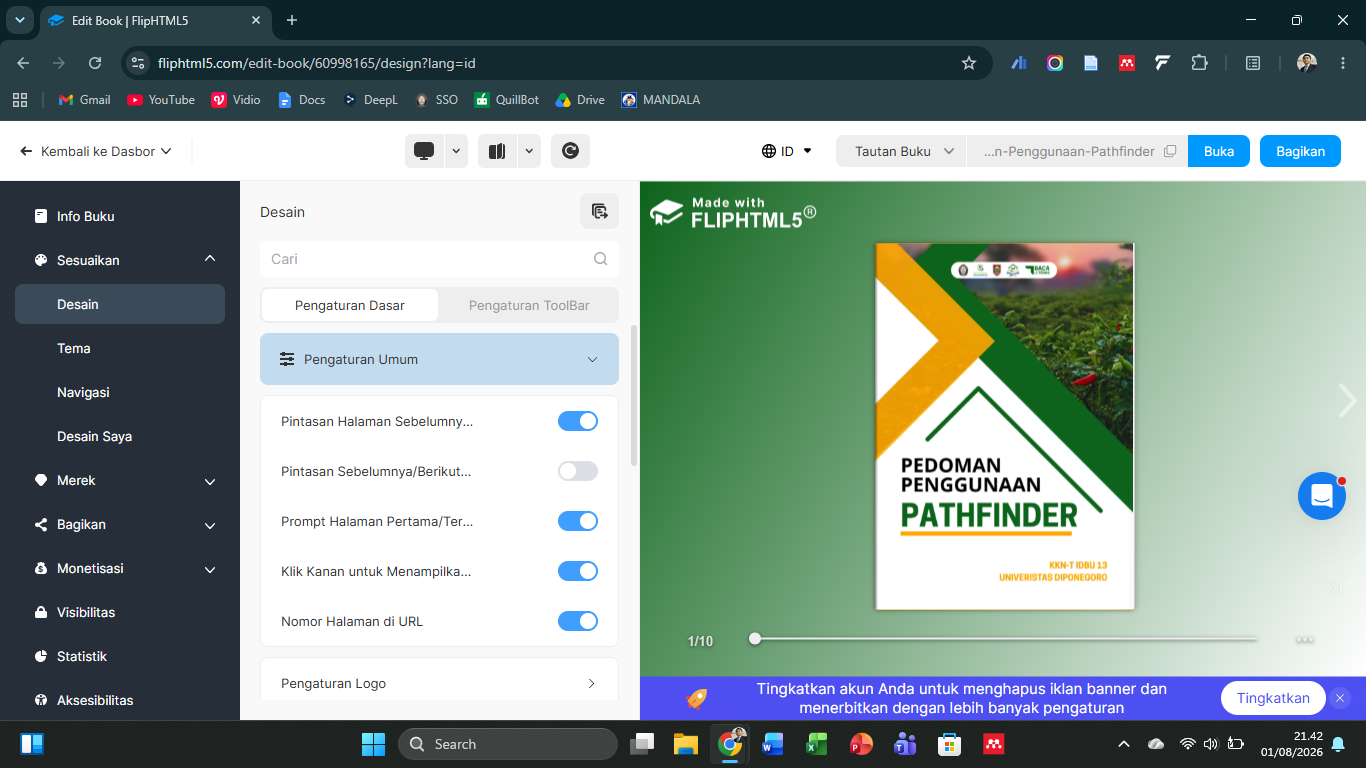
Picture 1. Flipbook Display Settings Menu on the fliphtml5.com Website
Previously, students participating in this Community Service Program (KKN), who are majoring in Informatics and Computer Engineering, successfully designed and launched a village library information portal named “Baca di Teras.” The website features a web-based “pathfinder” service, also known as a literature search guide. This pathfinder helps library users quickly locate various relevant and credible information sources. This service integrates various library collections in the village of Teras as well as other online information sources to make them easier to find. Although this digital service is now available, the villagers have very diverse levels of technological proficiency. Therefore, they need clear operational guidelines so that this pathfinder service can be accessed and utilized to its fullest potential.
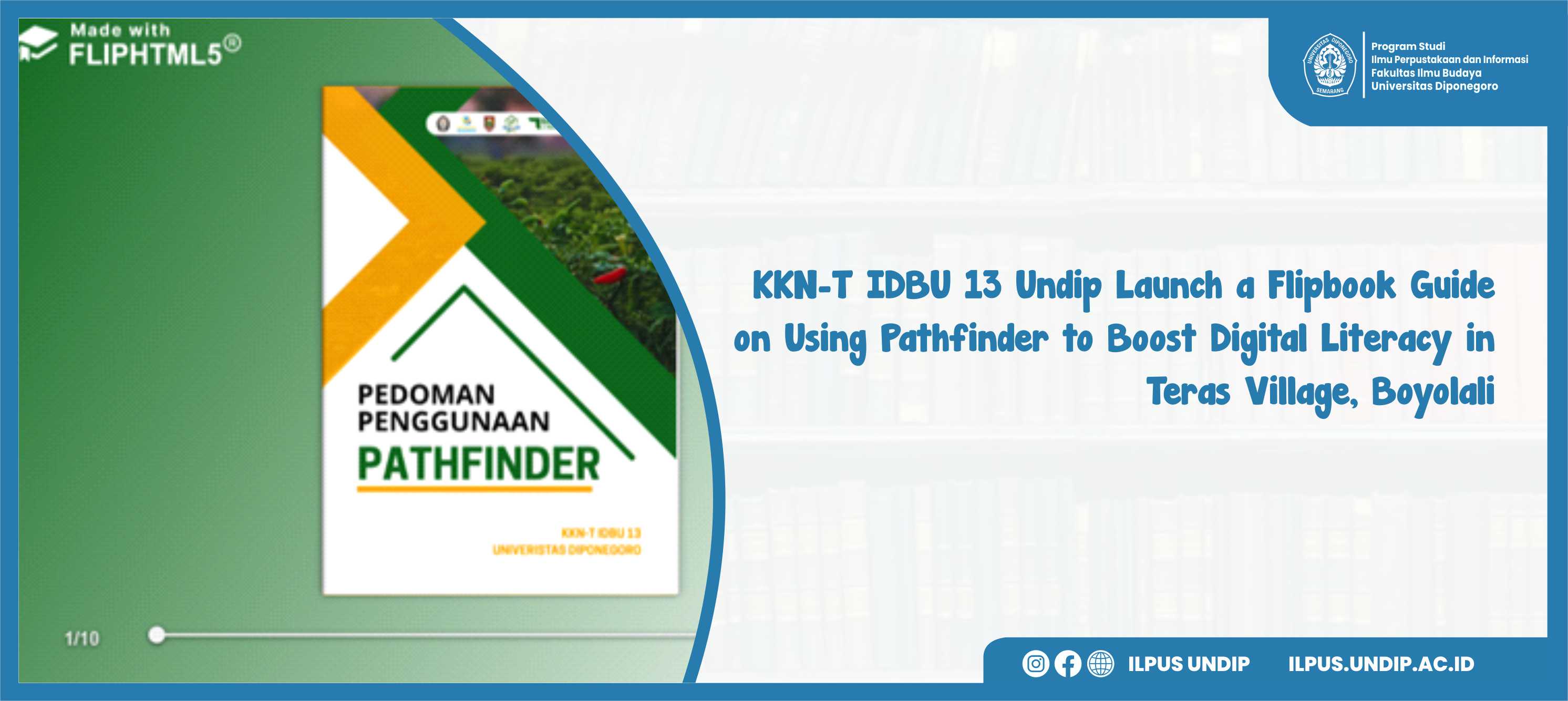
In response to this need, an initiative was created to develop access guidelines and instructions for using the Pathfinder service in a more engaging format: a digital flipbook. Unlike conventional textual instructions, which are often ignored because they come across as being too strict, this flipbook is designed with an engaging visual design. Technically, the process of creating this flipbook involves compiling concise yet comprehensive guidance, combined with illustrations and a well-organized layout. This visual approach is considered highly effective for capturing the attention of people of all ages. Through the flipbook format, this digital guide can be conveniently accessed via various devices, providing an interactive reading experience that mimics the act of turning the pages of a physical book.
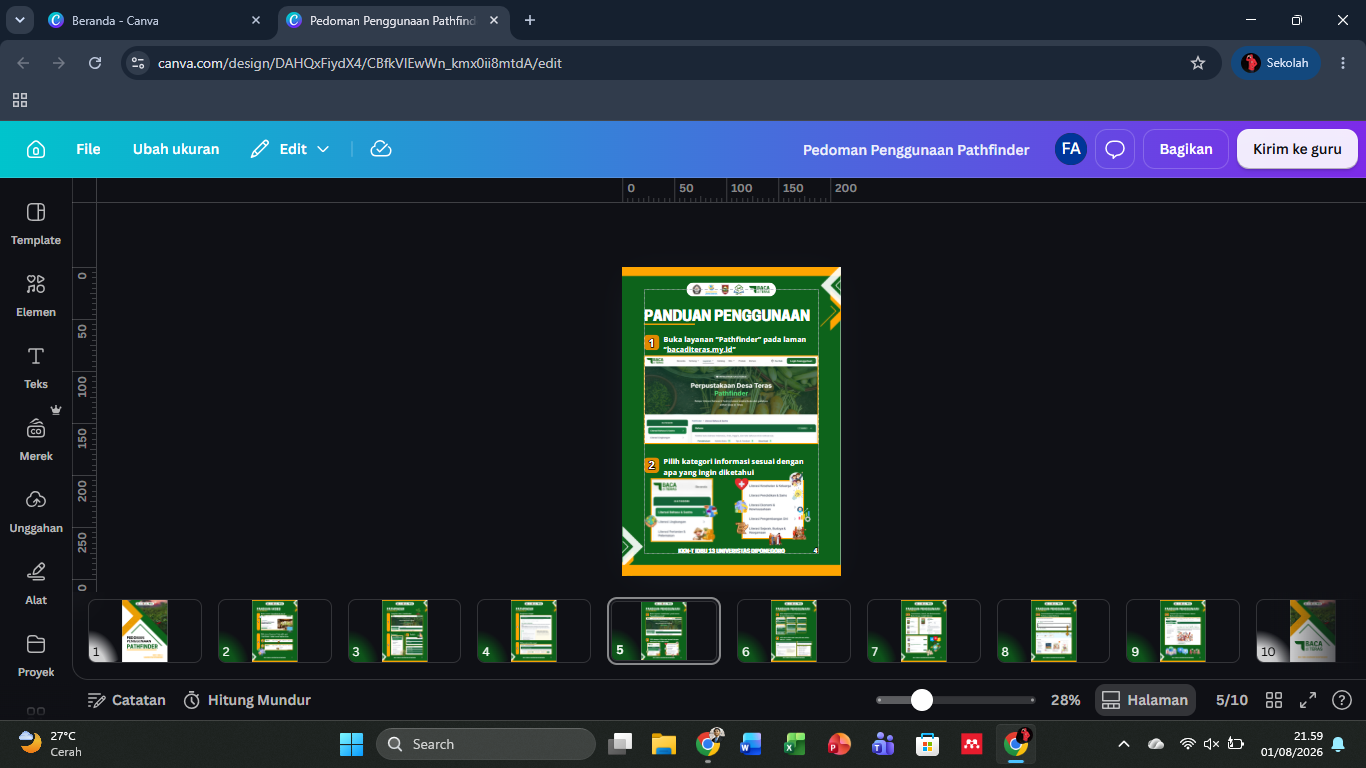
Picture 2. Page Layout for the Pathfinder Flipbook
The implementation of the “Pathfinder Flipbook Creation” program focuses on the process of repackaging information. Students design guidelines for accessing and using the pathfinder in the form of an interactive digital book called a flipbook. The creation process involves several systematic steps. First, students collect and organize instructional materials on accessing the pathfinder, an introduction to its content, and instructions for using it. Second, they design the visual layout, typography, and color combinations that match the initial color palette using “Canva” as a graphic design application. Third, they convert PDF documents into flipbooks on the “fliphtml5.com” website so that the documents feature page-turning animations that provide a reading experience similar to that of a physical book.
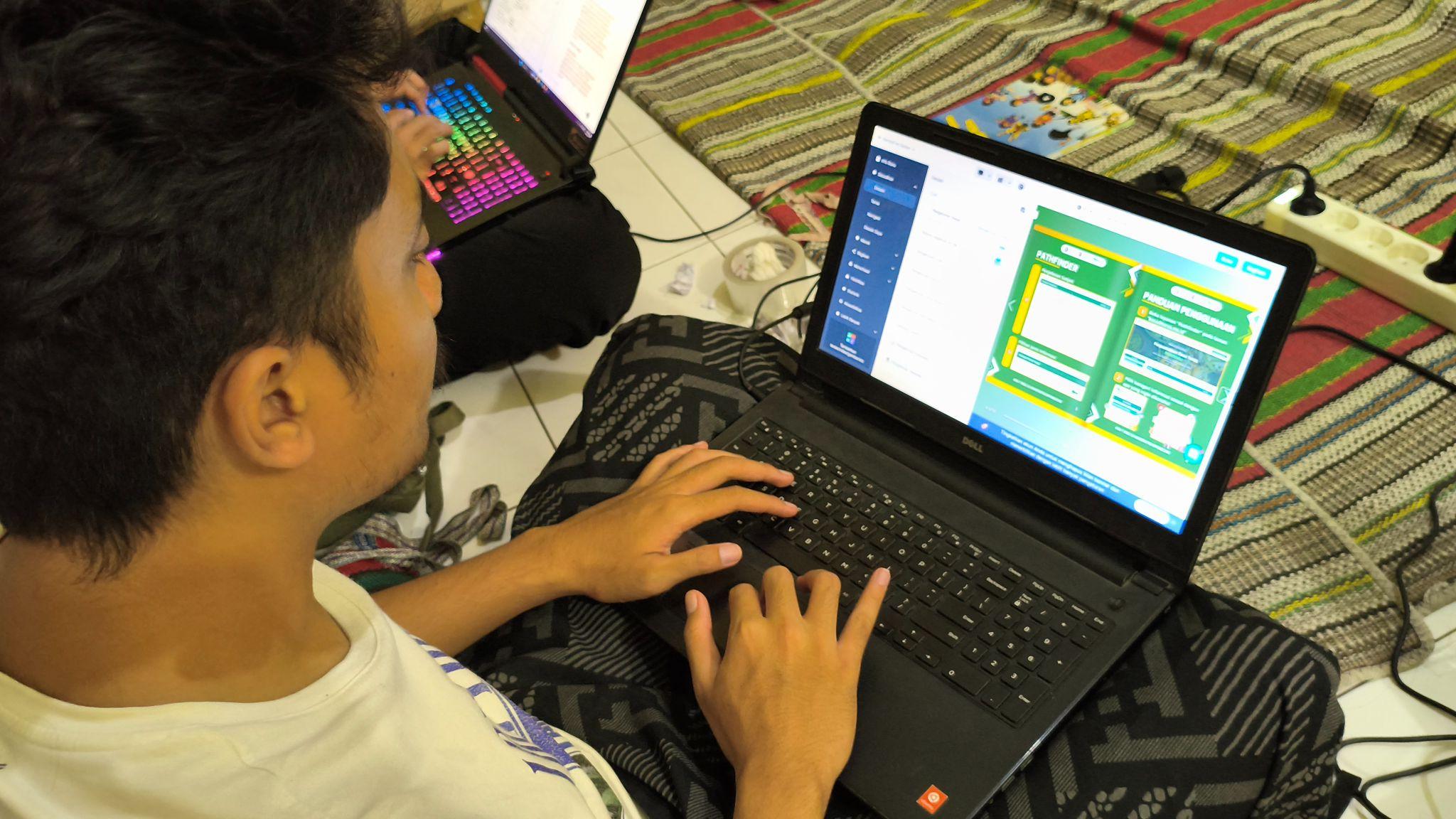
Picture 3. The Process of Creating a Flipbook on the fliphtml5.com Website
The use of digital visual design greatly simplifies the process of disseminating information. Flipbook links can be quickly shared via communication platforms such as the village WhatsApp group and other social media. Therefore, promotion of the library in Teras Village can be carried out on a large scale and efficiently. Through this “Pathfinder Flipbook Creation” innovation, it is hoped that there will no longer be any technical barriers preventing the people of Teras Village from accessing reading materials. The integration of a systematic website platform with these communicative visual guides serves as tangible evidence of the initiative’s contribution to improving the community’s digital literacy.