Boyolali – The IDBU 12 Thematic Community Service Program (KKNT) group, which focuses on literacy, carried out a library collection weeding program at SDN 2 Tawangsari, Teras Subdistrict, Boyolali Regency. This activity took place over four days, from July 11 to 14, 2026, and was one of the flagship programs in a series of literacy activities organized by the KKNT group at that location.
This initiative was prompted by the fact that the school library had not been optimally organized, with many older items in the collection—a mix of books that were still relevant and those no longer aligned with students’ learning needs. As part of the field of library and information science, the weeding activity is considered essential to ensure that the available collection truly supports the teaching and learning process, while also creating a more comfortable and representative library space for both students and teachers.
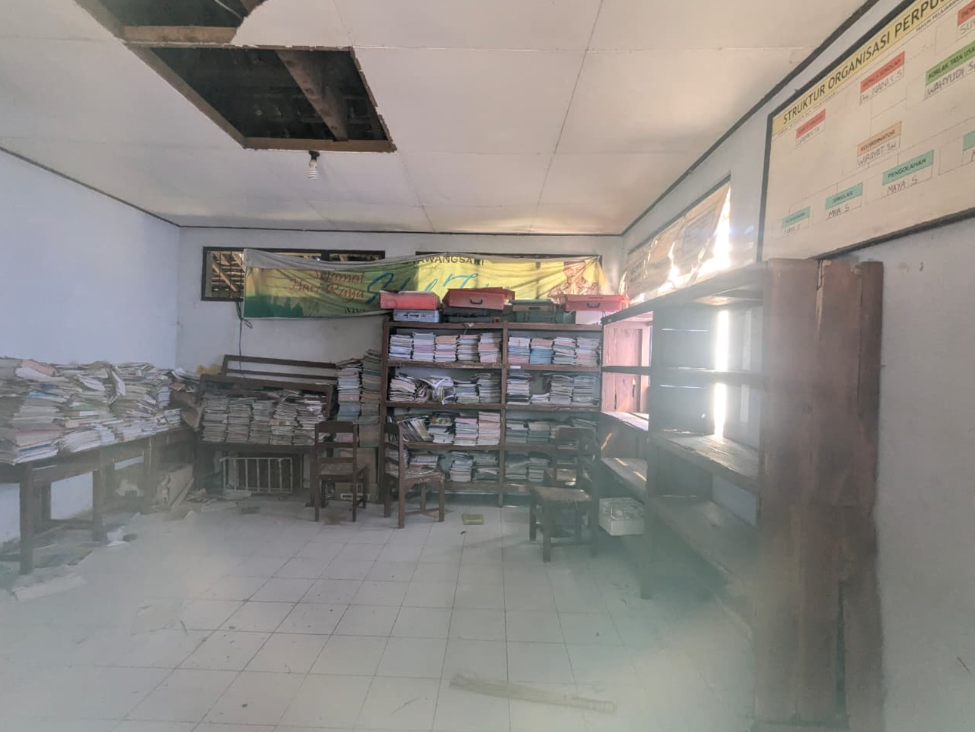
Figure 1: Initial Condition of the Library
The weeding activity was coordinated by Frisca Aprianisyah Izzaty, a Library and Information Science student at UNDIP, who served as the program coordinator. All members of the KKN group were involved in implementing this program, given the extensive scope of the collection that needed to be reviewed, which required four full days to complete.
In carrying out the project, the KKN team applied the CREW (Continuous Review, Evaluation, and Weeding) method, combined with the MUSTIE (Misleading, Ugly, Superseded, Trivial, Irrelevant, Elsewhere) criteria as guidelines for selecting the collection. The CREW method was chosen because it is a commonly used approach in library management for conducting ongoing collection evaluations, while the MUSTIE criteria help students determine concrete indicators of whether a collection item should be retained or removed.
Through this approach, each item in the collection was examined one by one based on two main aspects: the physical condition of the book and the currency of its content or academic relevance. Items with physical damage—such as torn pages, loose bindings, or signs of moisture and mold—were a primary concern, as were those whose content was considered outdated or no longer relevant to the curriculum or the reading needs of elementary school students.
The weeding process was carried out in stages over four days, beginning with an inspection of physical condition, an assessment of content relevance, and culminating in the final sorting between collections worth retaining and those that needed to be removed from the shelves. These stages were conducted systematically to ensure no items were overlooked, given the large number of items being reviewed.
Figure 2: The Weeding Process for the SDN 2 Tawangsari Library Collection
As a result of the weeding activity, the KKN team successfully cataloged more than 1,000 copies of materials deemed still usable and to be retained in the library. Meanwhile, four large boxes of materials were identified as unsuitable, either due to physical damage or because their academic content is no longer relevant to current learning needs. This figure indicates that the SDN 2 Tawangsari library actually has a fairly extensive collection, though a portion of it had never undergone a comprehensive evaluation before. In addition to these activities, the students also developed a “Library Collection Weeding” module intended for library staff to ensure the sustainability of library management.
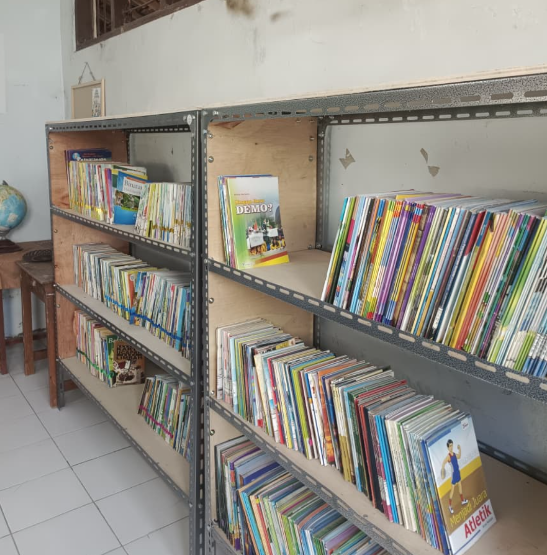
Figure 3: Books Still in Good Condition After the Weeding Process
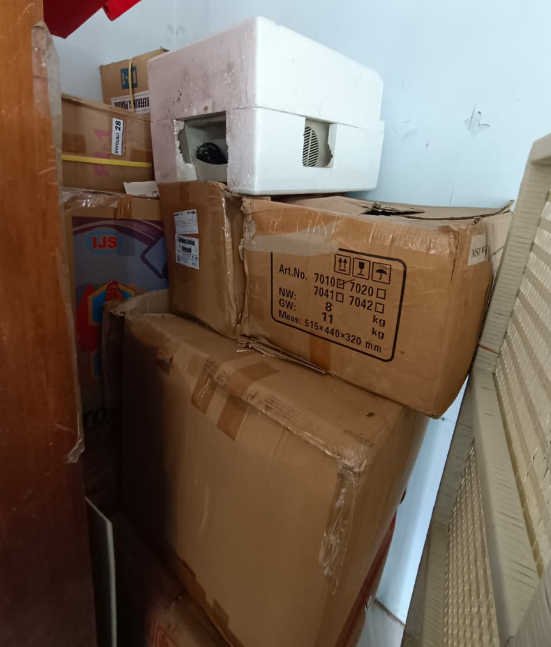
Figure 4: Total Books Deemed Unsuitable After the Weeding Process
The results of this sorting process will serve as the foundation for another literacy program—the reprocessing of the collection—which will be carried out by other members of the KKN team as a follow-up to the weeding process. With the collection data now sorted, the reprocessing is expected to proceed more efficiently since it will no longer be mixed with materials that should no longer be in use.
This weeding program received a positive response from SDN 2 Tawangsari. Overall, the entire series of KKNT IDBU 12 work programs—which were not limited to the weeding program alone—was deemed highly beneficial to the school, particularly in supporting library management and fostering a culture of literacy within the school community. The presence of the KKN students was seen as bringing tangible benefits directly felt by the school, both in terms of the organization of library management and a renewed enthusiasm for managing the existing collection.
With the implementation of this program, it is hoped that the library at SDN 2 Tawangsari will have a more relevant, well-organized, and representative collection, thereby better supporting students’ interest in reading. This weeding program is also expected to serve as a model for other schools in the Boyolali area in managing their libraries more professionally and sustainably.