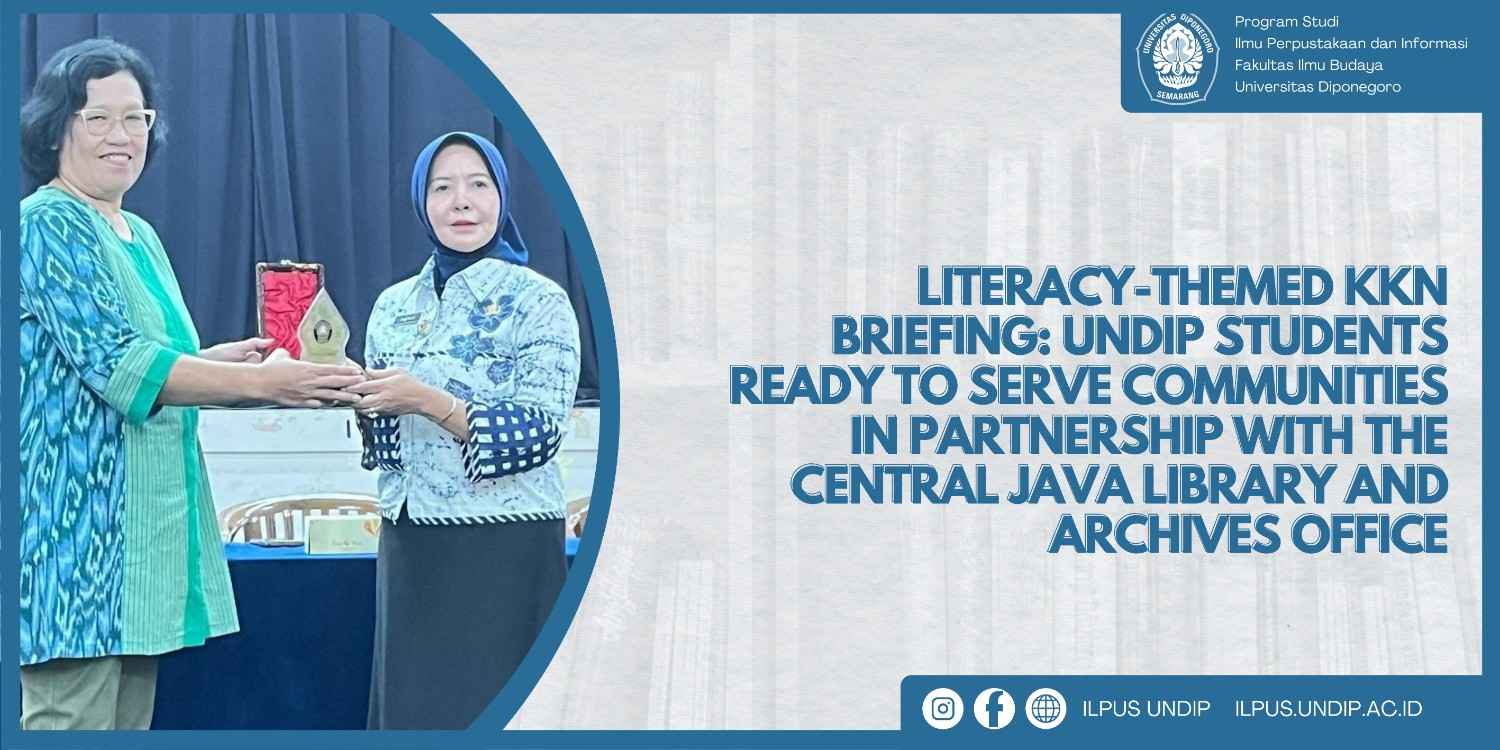
Semarang, May 26, 2026 The Faculty of Cultural Studies (FIB) at Diponegoro University opened its General Hall (Gedung Serbaguna/GSG) on Tuesday, May 26, 2026, to host the official briefing for the Thematic Community Service Program (KKN Tematik) on Literacy. The event served as the formal starting point for students who will soon be deployed to villages across Boyolali Regency specifically Banyudono, Tawangsari, Sobokerto, and Teras where they will carry out literacy-based community service programs in close collaboration with the Archive and Library Office of Central Java Province (Arpus Jateng).
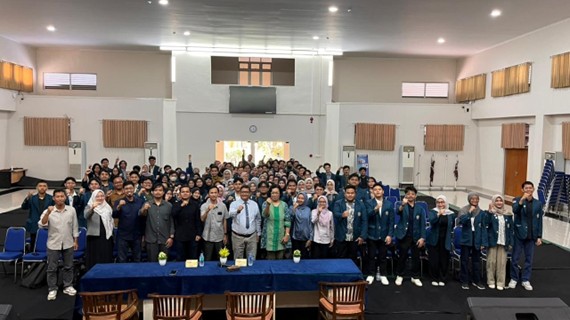
The morning began at 09.30 local time with student registration and a pre-test, facilitated by MC Fatikhah Nurul Fajri, S.P., M.P. From the very start, the hall was filled with a palpable sense of energy, as students from various study programs across UNDIP gathered with visible enthusiasm and readiness.
Dean’s Remarks: FIB’s Commitment to Community Literacy
The opening ceremony was marked by a meaningful address from Prof. Alamsyah, M.Hum., Dean of FIB UNDIP. He made clear that this year’s Thematic Literacy KKN is a direct and concrete follow-up to the collaborative initiative previously established between FIB UNDIP and the Institute for Research and Community Service (LPPM). The successful realization of this cooperation in 2026 stands as firm evidence of the institution’s dedication to aligning the principles of the Tri Dharma of Higher Education with the genuine, on-the-ground needs of Indonesian society.
Prof. Alamsyah also took a moment to express his pride in FIB’s participation, noting that the faculty contributes the largest number of students to the program with the Library Science study program (Ilpus) leading the way. “We from FIB, especially our friends from Library Science, have always been closely connected to the community, particularly through Community Reading Gardens (TBM). This is truly our space to contribute,” he said warmly. The entire program, he emphasized, is intentionally designed around literacy and built on cross-faculty collaboration within UNDIP, reflecting a genuine spirit of academic synergy in service of the public good.
KKN Philosophy and Rules of Conduct by Dra. Ana Irhandayaningsih, M.Si
The next session was led by Dra. Ana Irhandayaningsih, M.Si., the coordinating lecturer for the Thematic KKN, who began by introducing the full team of field supervisors from IDBU teams 7, 12, 13, and 15. Speaking in a tone that was both warm and grounded, she walked participants through the deeper philosophy behind KKN framing it not merely as an academic requirement to be fulfilled, but as a genuinely transformative experience. For her, KKN is the moment when students step outside the comfort of the classroom and come face to face with social realities, sharpening their sensitivity to community needs and putting their knowledge into meaningful practice. The session also covered the program’s rules of conduct in detail, providing participants with a clear framework for carrying out their assignments in a manner that is orderly, professional, and respectful.
Student Ethics and Discipline Standards by Dr. Yuli Rohmiyati, S.Sos., M.Si
Dr. Yuli Rohmiyati, S.Sos., M.Si. took the floor for a session dedicated to discipline and ethics in the field. She spoke with conviction about the importance of upholding integrity at all times not only in how students interact with the communities they serve, but also in how they treat and support one another within their own groups. “We must remind each other and look out for one another. Out in the field, you are not only representing yourselves you are carrying the name of this institution,” Dr. Yuli reminded the room. Her remarks covered a range of practical matters: time discipline, appropriate dress, how to communicate respectfully with community figures, and the responsibility each student carries in documenting and reporting their activities accurately.
Collaboration with the Central Java Archive and Library Office by Rahmah Nur Hayati,S.K.M.,M.Kes
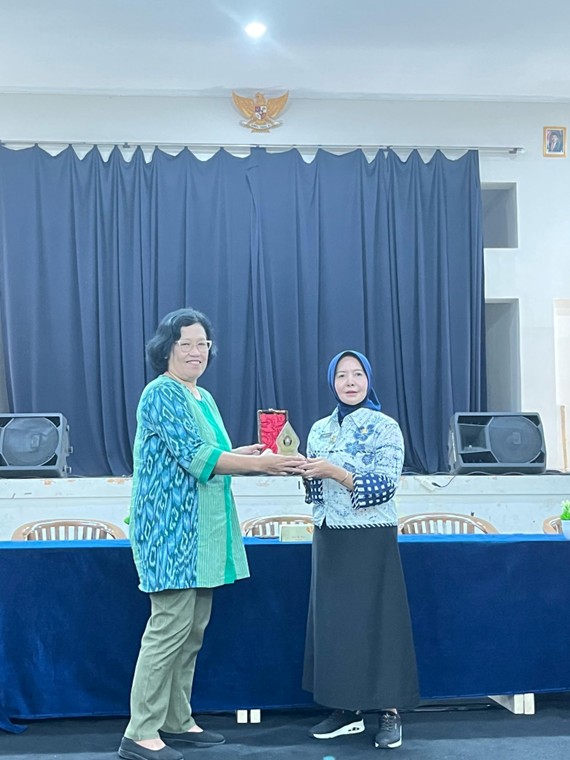
One of the most anticipated sessions of the day was the presentation on the collaboration between the Thematic Literacy KKN and the Archive and Library Office (Arpus) of Central Java Province, delivered by the Head of Arpus Jateng herself, Ibu Rahmah Nur Hayati, S.K.M., M.Kes. She offered a thorough and compelling explanation of how the partnership between students and Arpus Jateng will take shape in the form of concrete literacy programs at each assigned village. The collaboration, she emphasized, is designed with sustainability in mind — not just to produce short-term results, but to help build a lasting literacy ecosystem through the empowerment of Community Reading Gardens and the strengthening of village-level library services that communities can rely on long after the program concludes.
KKN Themes, Programs, and Expected Outcomes by Gani Nur Pramudyo, M.Hum
Gani Nur Pramudyo, M.Hum. then guided participants through the themes, activity frameworks, and expected outcomes of the Thematic Literacy KKN. He systematically laid out the range of activities students are encouraged to carry out at their assigned villages: basic literacy training sessions, collection management for reading materials, community assistance in navigating information access, and the documentation of good practices that can serve as references for future literacy program development. Importantly, he underscored that the expected outputs extend well beyond written reports, students are expected to produce tangible results whose benefits can be felt directly and meaningfully by the communities they work with.
Social Communication in the Digital Era by Fuad Wahyu Prabowo, SIP., M.A
The final substantive session was delivered by Fuad Wahyu Prabowo, SIP., M.A., who addressed the increasingly relevant topic of social communication in the digital era. His session resonated particularly well with the audience, as KKN students today are expected not only to engage meaningfully in person, but also to use social media platforms as effective tools for documenting their work and amplifying the reach of their programs. Mr. Fuad shared practical and accessible strategies for building positive narratives around their KKN activities through digital channels, while remaining mindful of the ethical responsibilities that come with public communication in online spaces.
The full day’s briefing concluded at 12.00 local time with a post-test and closing remarks, once again facilitated by MC Fatikhah Nurul Fajri, S.P., M.P. Students left the hall not only better prepared in terms of knowledge and skills, but also carrying with them a renewed sense of purpose and responsibility to serve as genuine agents of literacy change in the communities that await them.
It is hoped that this Thematic Literacy KKN will come to serve as a replicable model of cross-institutional collaboration, one that not only brings credit to Diponegoro University, but more importantly, leaves a lasting and meaningful impact on the lives of people in all four of the designated villages.