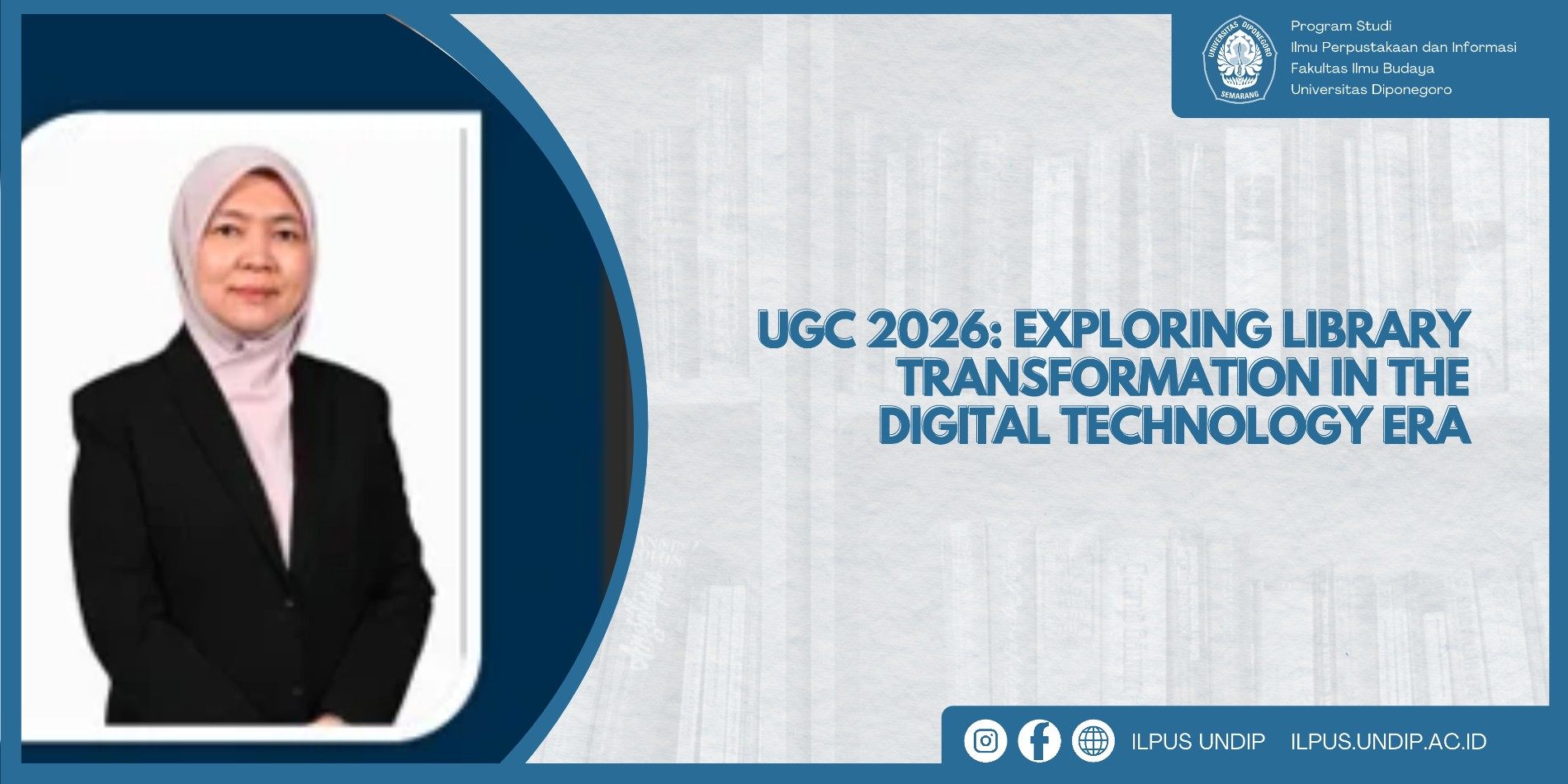
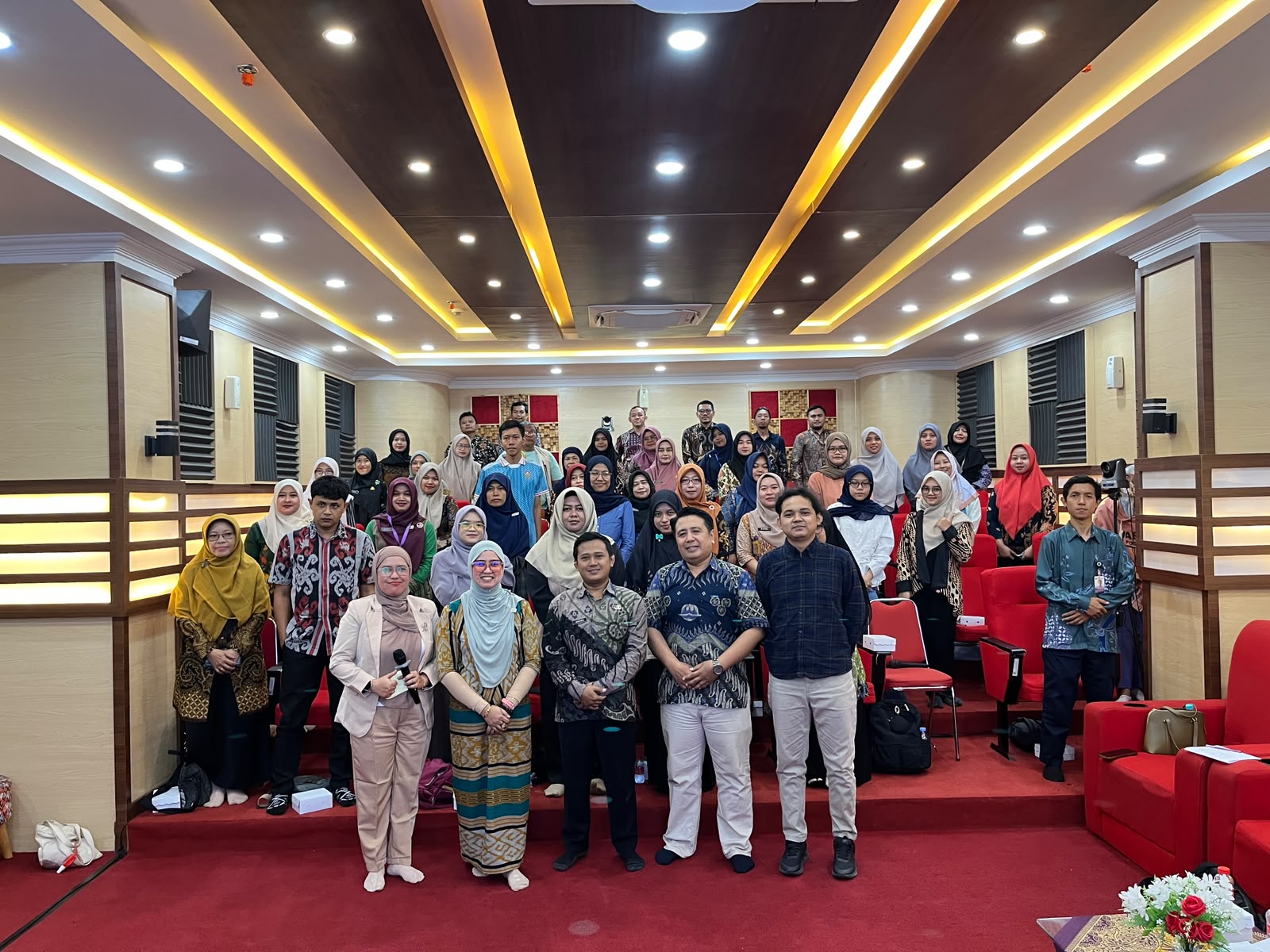
BOYOLALI — Fuad Wahyu Prabowo, S.I.P., M.A., a lecturer from the Library and Information Science Study Program, Faculty of Humanities, Universitas Diponegoro (UNDIP), served as the keynote speaker at an information literacy technical guidance workshop organized by the Boyolali Regency Office of Archives and Regional Library on Thursday (23 July 2026). The event was held in the Audiovisual Room on the second floor of the Boyolali Regional Library Remen Maos, located at Jalan Pandanaran No. 167, Siswodipuran, Boyolali.
The workshop brought together 50 participants, including librarians, literacy community members, and managers of Community Reading Park Forums (Forum Taman Bacaan Masyarakat/FTBM) from across Boyolali Regency. It carried the theme “Innovating Library Services and Empowering Communities through Information Literacy.”
In his presentation, Fuad proposed a fresh perspective on the concept of service innovation. According to him, innovation should not be equated merely with the adoption of new technologies; rather, it lies in transforming the core value of library services and redefining the role of community members within those services. “If only the medium changes—from paper to a screen—while the benefits and the community’s role remain the same, then it is merely a change of format,” he explained. He related this idea to library and information science scholarship, which positions librarians not simply as managers of collections but as facilitators of knowledge creation within communities.
To illustrate this perspective, he presented KALOKA (Village Local Wisdom and Literacy), a community-based program implemented in Sobokerto Village, Ngemplak District. The initiative, funded through UNDIP’s Science and Technology for Assisted Regions (Iptek bagi Daerah Binaan Universitas Diponegoro – IDBU) scheme, is a collaborative effort involving the UNDIP IDBU 7 Community Service Team, the Sobokerto Village Government, and the Central Java Provincial Office of Archives and Library.
Drawing on this case, Fuad demonstrated that the workflow for documenting local wisdom—from designing metadata schemes, collecting oral sources, transcribing, curating and verifying information, to publishing the results—essentially represents the complete cycle of information literacy in practice.
The session also addressed ethical issues in documenting local knowledge, including knowledge ownership, informed consent from contributors, and the appropriate treatment of sacred or culturally sensitive knowledge. In the closing session, participants were introduced to practical, low-cost replication strategies suitable for community libraries with limited resources, such as establishing simple repositories, using minimum-metadata documentation forms, separating the roles of information collectors and verifiers, and implementing contributor consent forms.
The workshop also highlighted the contribution of library and information science to the United Nations Sustainable Development Goals (SDGs), particularly SDG 4 (Quality Education), SDG 11 (Sustainable Cities and Communities—Safeguarding Cultural Heritage), SDG 16 (Peace, Justice and Strong Institutions—Public Access to Information), and SDG 17 (Partnerships for the Goals).
Serving as a resource person in this program reflects the implementation of Universitas Diponegoro’s community engagement mission by the Library and Information Science Study Program. It also demonstrates the translation of academic research into practical applications for strengthening library management and community empowerment at the local level.