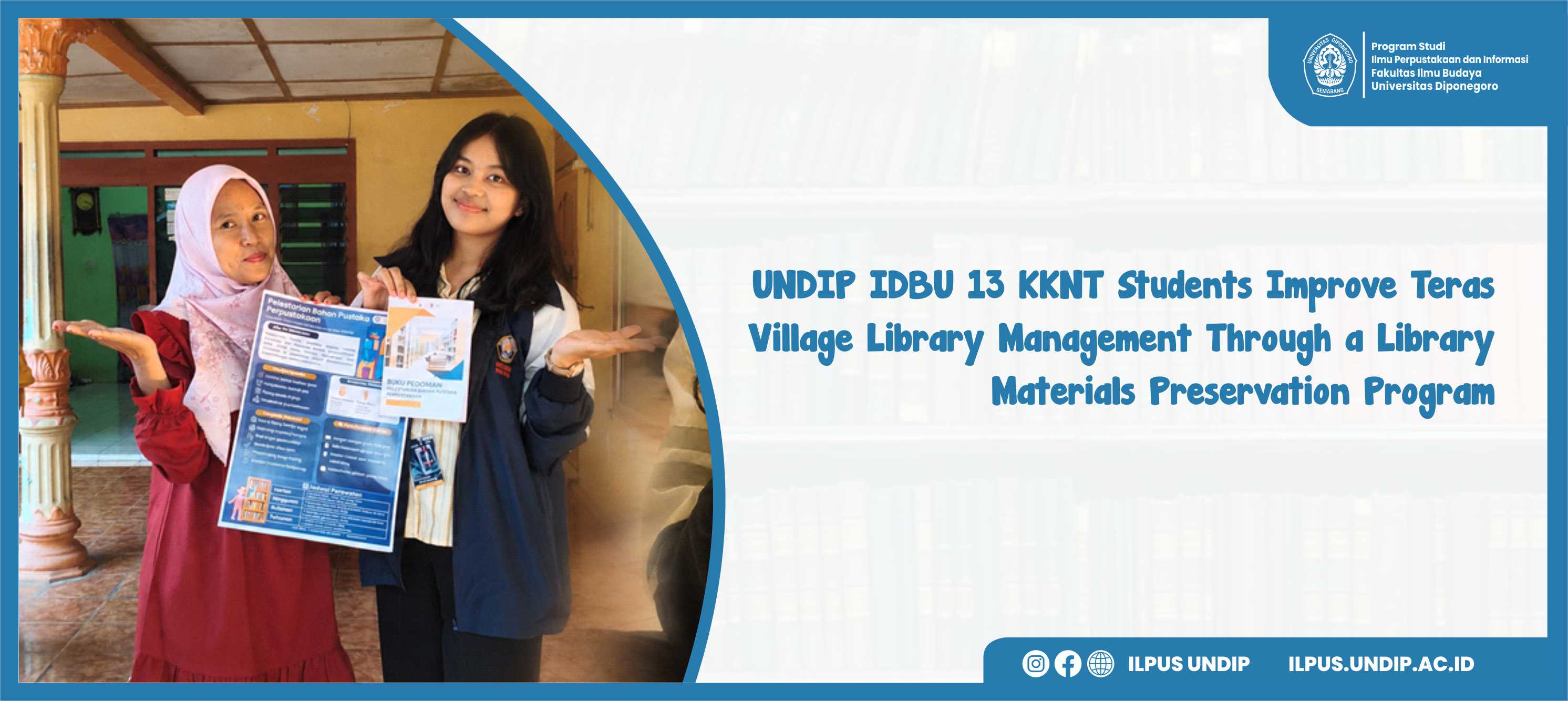
Students of the Integrated Thematic Community Service Program (KKNT) IDBU 13 from Universitas Diponegoro carried out a multidisciplinary program titled “Preservation and Conservation of Village Library Materials” at the Teras Village Library, Teras District, Boyolali Regency, in July 2026. The program was initiated by Luse Dotrika Aruan, a student in the Bachelor’s Program in Library and Information Science, to enhance the capacity of village library managers in preserving library collections and supporting sustainable literacy services for the community.
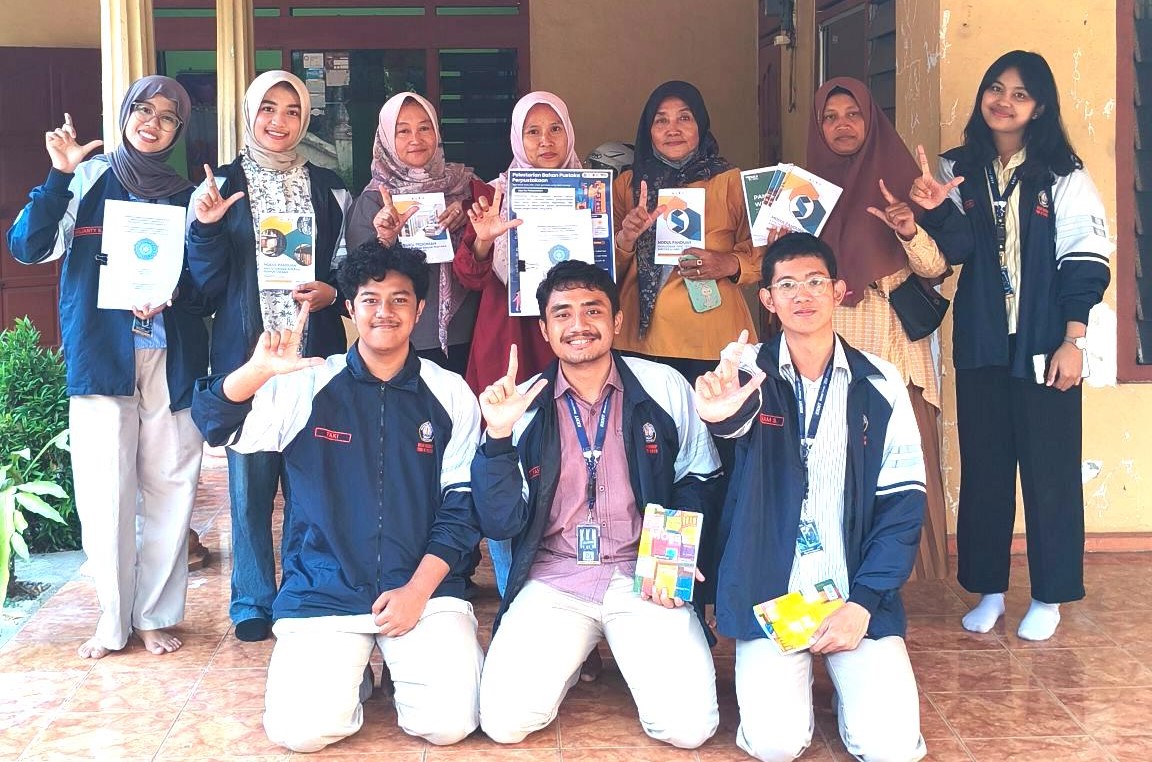
Figure 1. Village Library Management Training Session
The program was implemented based on field observations showing that although the Teras Village Library collection is actively used by the community, practical guidelines on library materials preservation were not yet available. As a result, the collection is vulnerable to damage caused by environmental factors, insects, and improper handling. To address this issue, the program provided practical education on preservation techniques that can be independently implemented by library managers. By strengthening the capacity of library staff, the program also contributes to Sustainable Development Goal (SDG) 4: Quality Education, particularly by supporting equitable access to quality learning resources through sustainable library collection management.
As one of the program’s main outputs, the students developed a Library Materials Preservation Guidebook covering the basic concepts of collection preservation, factors causing deterioration of library materials, preventive and corrective preservation measures, and digital preservation as a strategy to ensure long-term access to information. The guidebook was developed based on the guidelines of the National Library of the Republic of Indonesia, ensuring that its contents align with established library preservation practices.
In addition, the students created educational posters on library materials preservation, which were displayed in the library as visual learning resources for both staff and visitors. The posters explain the causes of collection damage, proper book care techniques, preventive and corrective preservation measures, and a routine maintenance schedule for library collections.
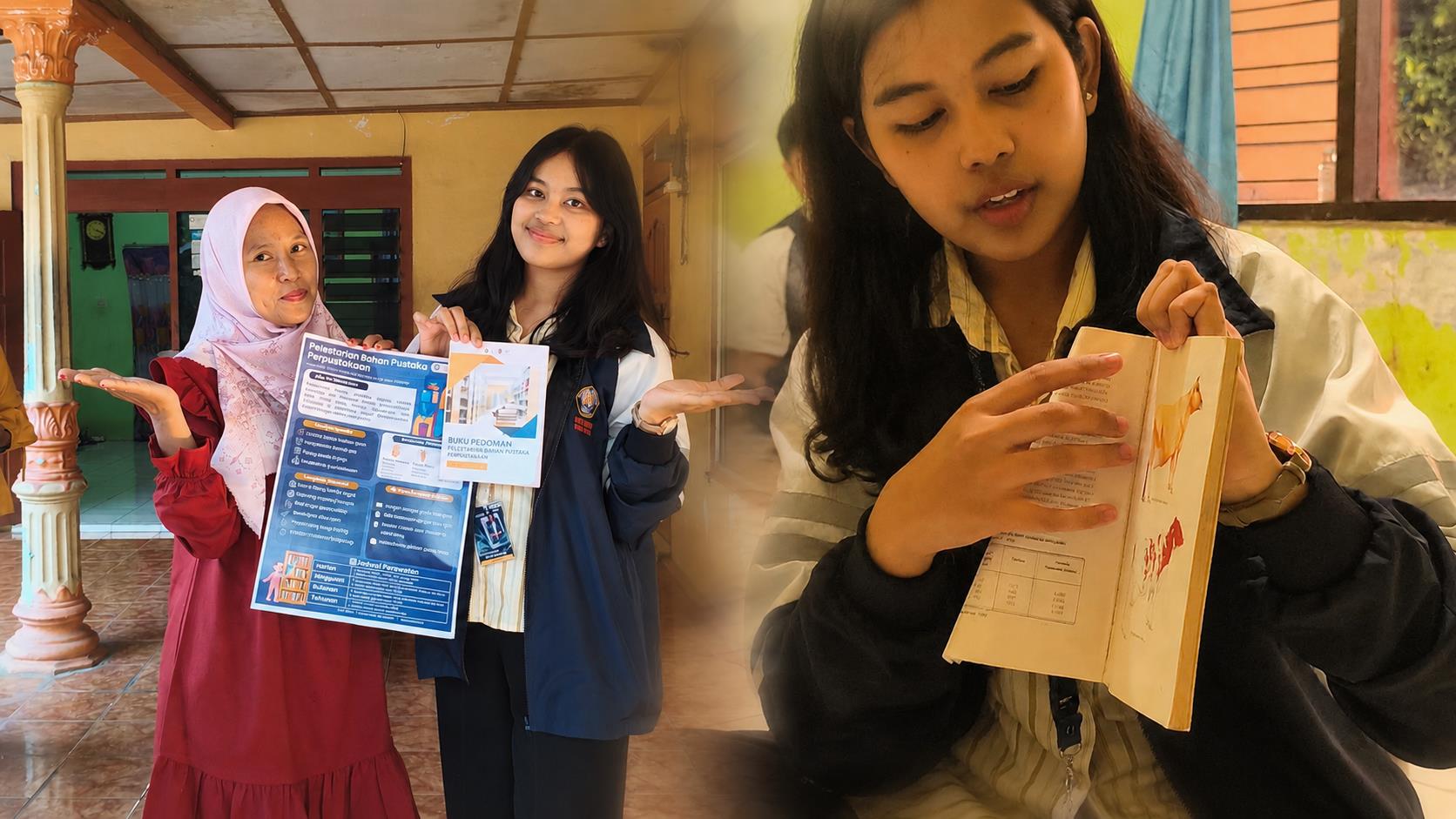
Figure 2. Handover of the Library Materials Preservation Guidebook and Educational Posters
The program continued with an outreach session for the Teras Village Library staff through presentations, discussions, and practical demonstrations on proper book storage, shelf maintenance, humidity control, and basic treatment for books with minor damage. This activity was designed to ensure that the guidebook and posters would not merely serve as reference materials but could be sustainably implemented in the daily management of the village library.
Through this program, the managers of the Teras Village Library are expected to gain practical and easy-to-understand guidelines for carrying out routine collection preservation activities. By maintaining well-preserved collections, the village library can provide better information services while strengthening its role as a center for literacy, learning, and community empowerment. These outcomes are closely aligned with SDG 4: Quality Education, which promotes inclusive, equitable, and quality learning opportunities through sustainable access to educational resources.