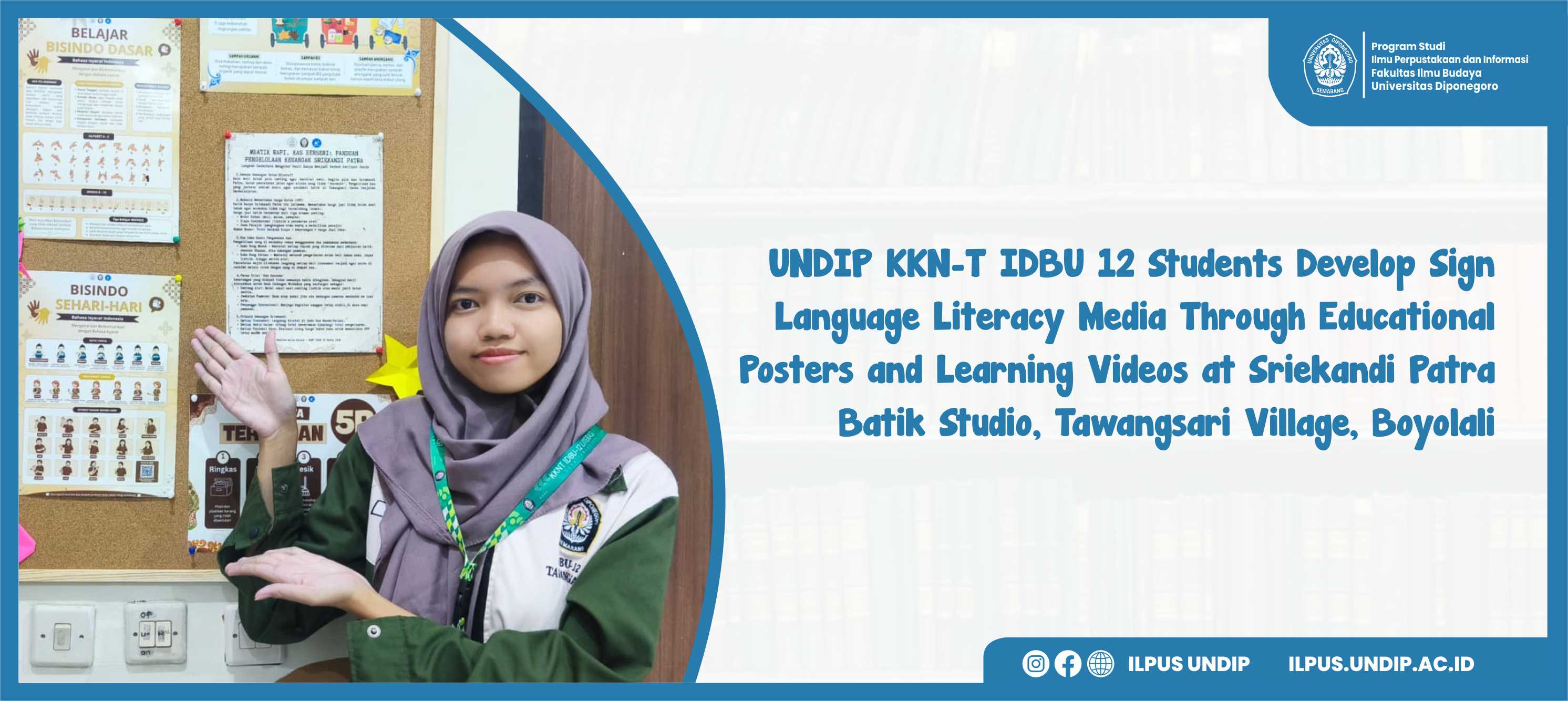
As part of an effort to foster a more inclusive and disability-friendly environment, students participating in the Thematic Community Service Program (KKN-T) IDBU 12 of Universitas Diponegoro launched a community engagement initiative focusing on sign language literacy. The program, initiated by Putri Rumaita Sayyi’ah, an undergraduate student of the Library and Information Science Study Program, centered on the development of learning media for Indonesian Sign Language (Bahasa Isyarat Indonesia/BISINDO) at Sriekandi Patra Batik Studio in Tawangsari Village, Boyolali Regency.
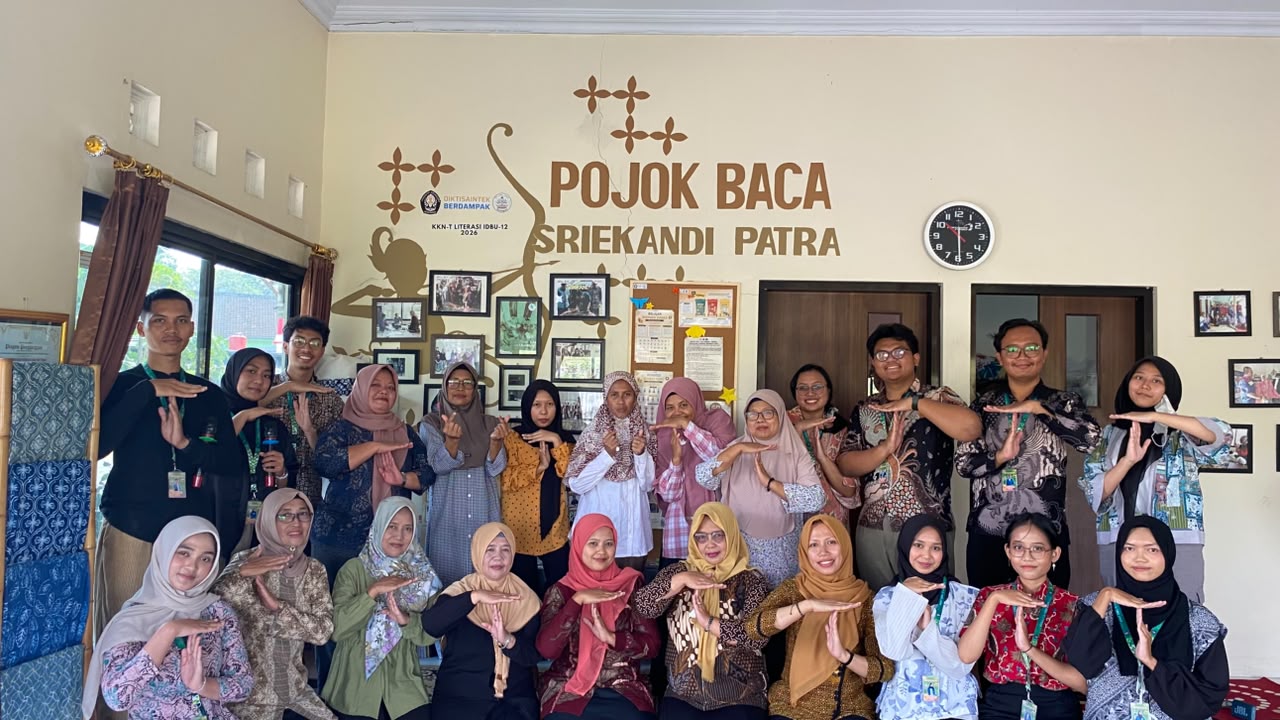
Figure 1. Inauguration of the Sriekandi Patra Reading Corner
The implementation of this program was motivated by the results of a preliminary observation, which revealed that Sriekandi Patra Batik Studio has members with hearing and speech impairments. This finding highlighted the importance of providing inclusive and accessible information media that can be utilized by all members of society, particularly persons with disabilities. As a community dedicated to empowering persons with disabilities through the art of batik making, Sriekandi Patra Batik Studio requires learning resources that can facilitate communication while enriching the community’s educational materials. Through an information literacy approach, the program introduced visually based educational media designed to be engaging, easy to understand, and suitable for independent learning by both community members and the general public.
The sign language literacy media developed through this program consisted of two educational posters featuring Indonesian Sign Language (BISINDO), which were designed based on the fundamental communication needs of the members of Sriekandi Patra. BISINDO was selected because it is the sign language commonly used by members of the community in their daily communication, making it more relevant than the Indonesian Sign System (SIBI) in this particular setting. The use of BISINDO was expected to provide learning materials that are more contextual and closely aligned with the communication practices already adopted within the community. The first poster introduces BISINDO by explaining its definition, the reasons why it is widely used by the Deaf community in Indonesia, and its basic components, including the sign language alphabet and numbers. This introductory material aims to provide users with a fundamental understanding of sign language as the first step toward fostering more inclusive communication.
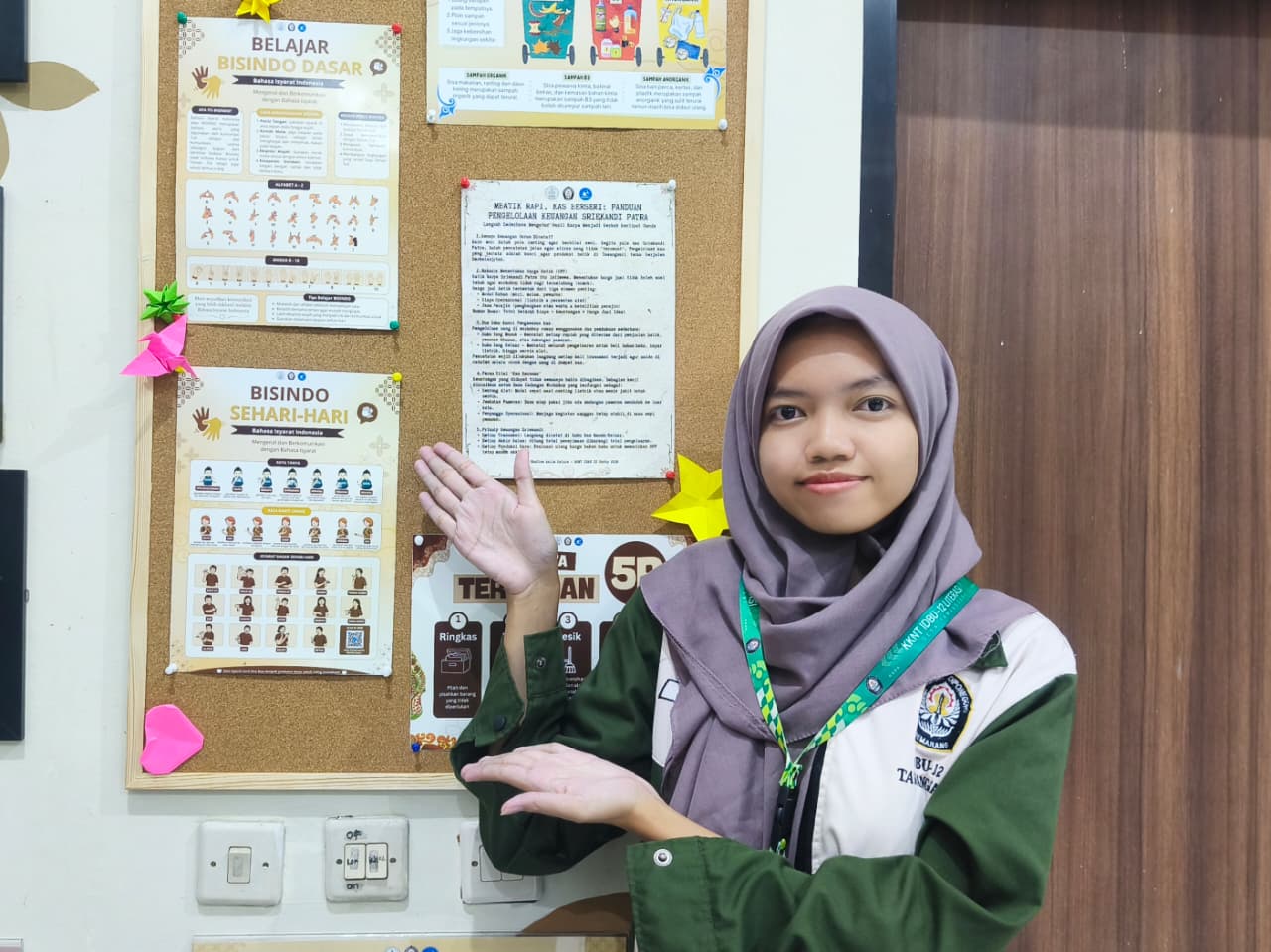
Figure 2. Reading Corner Bulletin Board
The second poster presents BISINDO vocabulary commonly used in everyday communication. The learning materials include interrogative words, personal pronouns, as well as common expressions such as greetings, salutations, expressions of gratitude, apologies, and other basic daily phrases. The content was carefully organized based on practical communication needs so that it could be readily applied in everyday interactions. To complement the printed learning materials, the second poster is also equipped with a Quick Response (QR) Code linked to a basic BISINDO instructional video. The video demonstrates each sign corresponding to the vocabulary presented on the poster, enabling users to observe the movements more clearly. The integration of printed and digital media creates a more interactive learning experience while supporting independent learning through the use of digital technology.
The two educational posters were subsequently installed on the bulletin board of the Sriekandi Patra Reading Corner as part of the development of sustainable literacy resources within the community. The selected location allows both community members and visitors participating in various activities to easily access the learning materials. The presence of the posters also strengthens the function of the reading corner as a center for information dissemination and community learning. Furthermore, the QR Code enables users to access sign language learning materials at any time through their digital devices without relying solely on face-to-face training sessions.
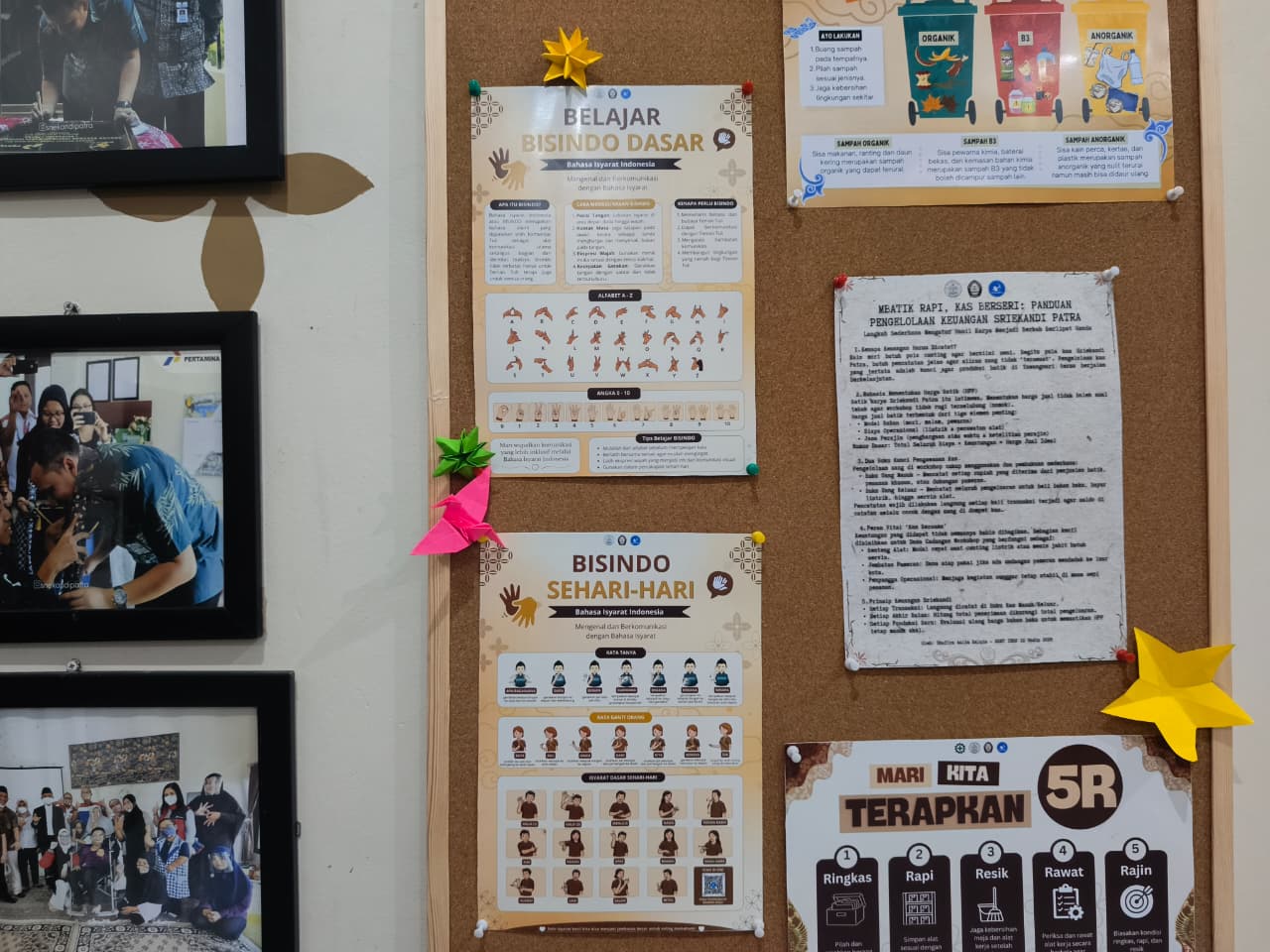
Figure 3. Educational BISINDO Posters
The implementation of this program demonstrates the broad contribution of the Library and Information Science discipline to the development of community literacy media. The competencies possessed by Library and Information Science students extend beyond library collection management to include identifying users’ information needs, designing information media, and disseminating information in forms that are accessible and easy to understand. The development of educational posters and instructional videos represents the practical application of information accessibility principles, which constitute an essential component of modern information services. Providing disability-friendly learning media is also aligned with broader efforts to establish inclusive information services that are responsive to users’ diverse needs.
Through this initiative, it is expected that Sriekandi Patra Batik Studio will continue to utilize the sign language learning media as a sustainable component of its literacy activities. The educational posters and instructional videos are anticipated to improve the basic communication skills of community members as well as members of the public interested in learning BISINDO. Moreover, the program is expected to raise public awareness of the importance of sign language as an inclusive means of communication for persons with disabilities. Consequently, the initiative not only produces tangible educational resources but also contributes meaningfully to the creation of a more inclusive society through the promotion of literacy and accessible information.
Author: Putri Rumaita Sayyi’ahTop of Form
Bottom of Form