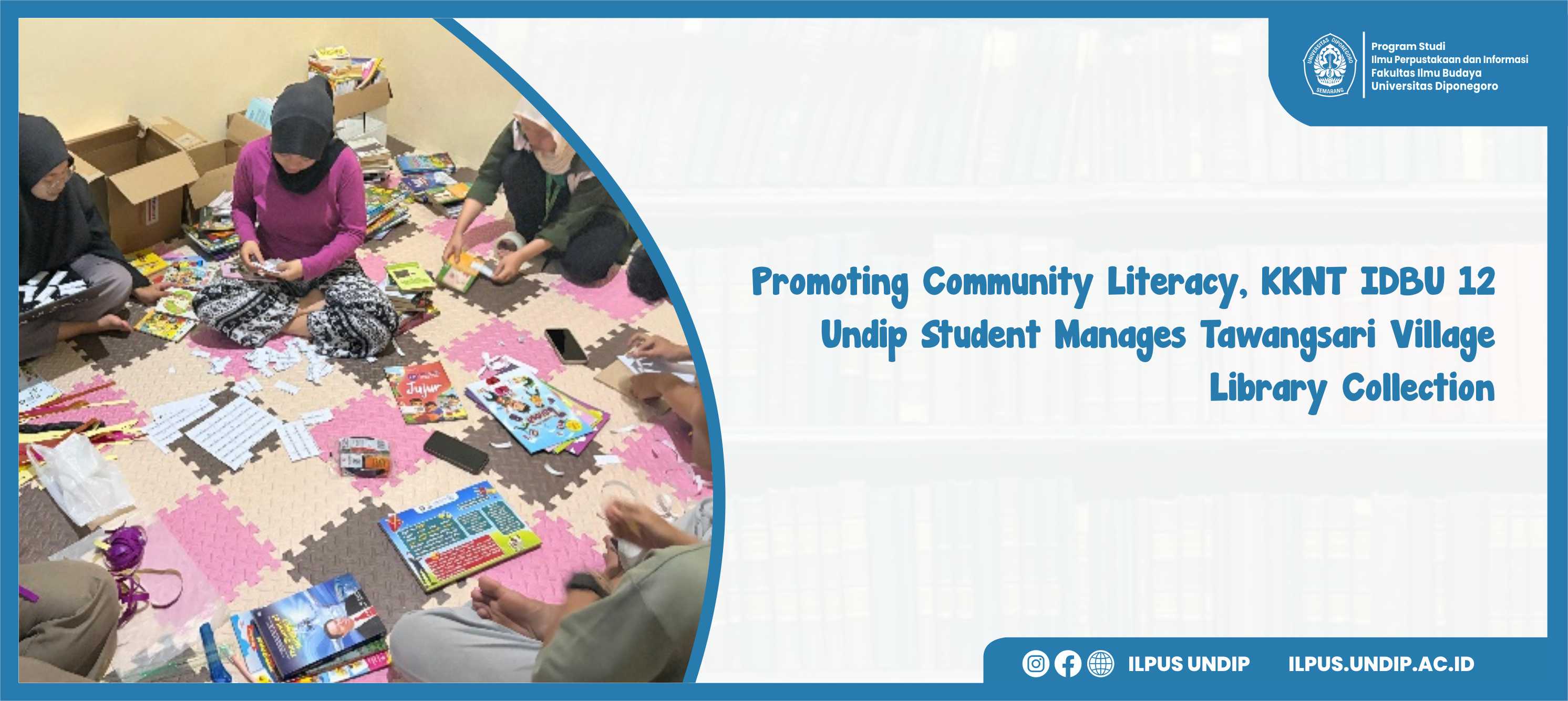
A student from the Thematic Community Service Program (KKN-T) IDBU 12 of Diponegoro University, Zupita Agrestina Indrawati, carried out a multidisciplinary work program involving the processing and organization of the collection at the Tawangsari Village Library, Teras District, Boyolali Regency, in July 2026. This program was implemented to improve the management of a collection that had not yet been systematically inventoried and classified, while also developing the Village Library as an easily accessible literacy service center for the community.
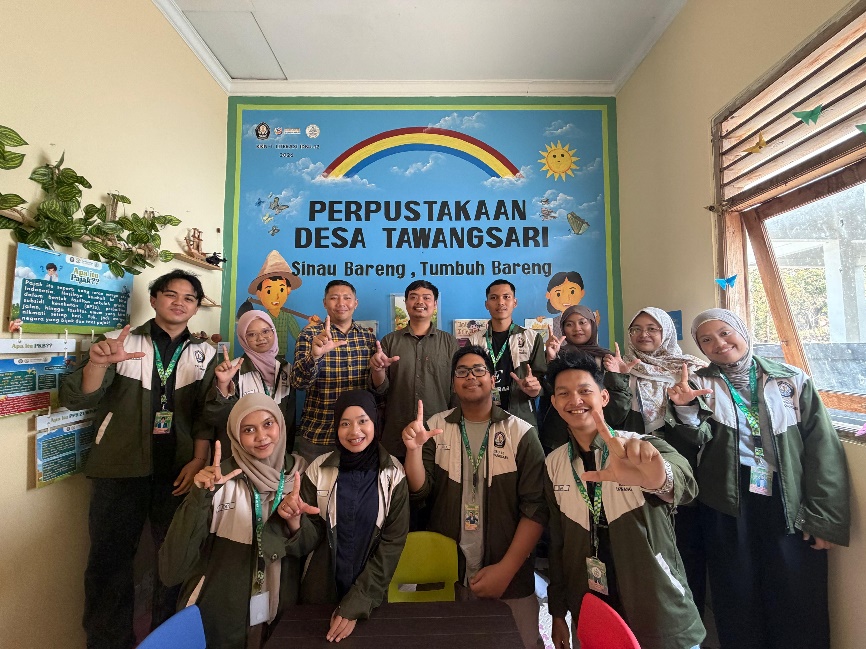
Figure 1. DPL (Field Supervisor) Visit at the Tawangsari Village Library
The program was based on observations showing that Tawangsari Village did not yet have a village library functioning optimally, meaning the community lacked easily accessible reading and learning facilities. The existing book collection had also not been managed systematically, had not been grouped by category, and there was no comfortable reading space available, resulting in low utilization of the collection. On the other hand, the Tawangsari Village Hall was considered to have potential to be developed into a village literacy service center, as it serves as a hub for community services and activities that is easily accessible to all residents, and has space that could be used as a library.
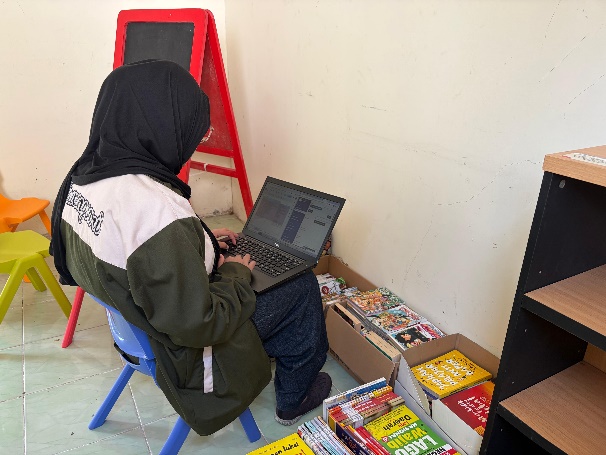
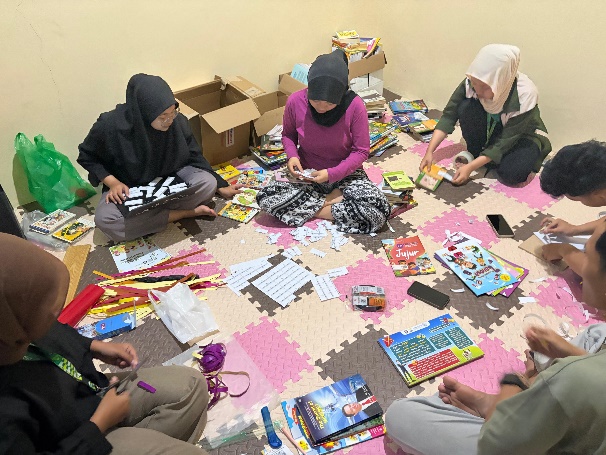
Figure 2. Library Collection Processing
The work program was carried out through five stages: observation of needs and room conditions, collection inventory, classification and cataloging, book labeling assisted by a library automation system called SLiMS (Senayan Library Management System), and shelving of the collection according to the classification results.
A total of 249 book titles with 306 copies were successfully inventoried, classified using the Dewey Decimal Classification (DDC) guidelines, and labeled to meet the needs of villagers across various age groups. The collection is divided into two types: children’s collection (82 titles) and general collection (167 titles), arranged separately into ten main DDC classes (000–900), with color-coded category markers for each subject group to make them easy to identify for both managers and visitors.
In addition to organizing the collection, this program produced the Tawangsari Village Library as a village literacy service, collection shelves with category markers, and a village library management module containing simple guidelines for collection processing. This module was compiled so that future library managers can independently continue the inventory, classification, labeling, and organization of the collection after the KKN program ends.
It is hoped that the Tawangsari Village Library can develop into an actively used learning and reading space for all segments of the community, from children to adults. With a more structured collection management system and the availability of a module as an operational guide, the library is expected to support the long-term improvement of literacy culture among the people of Tawangsari Village.
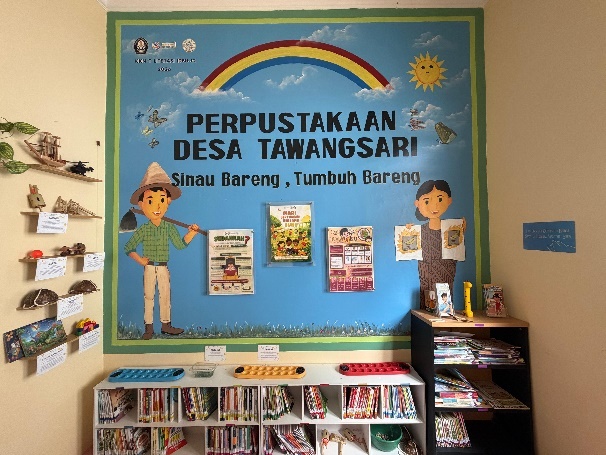
Figure 3. Tawangsari Village Library